五行 A gallery of changing things
Follow what
pulls you.
A branch. An ember. A vessel. A glint of light.
Begin with a quality you notice, and let it carry you from one work to another.
A little about the five phases ↓
木 Wood / Branch · weave · grow
Things reaching outward.
Follow a branch, a woven line, a shape reaching outward. Growth can be something pictured, or something held in the material itself.
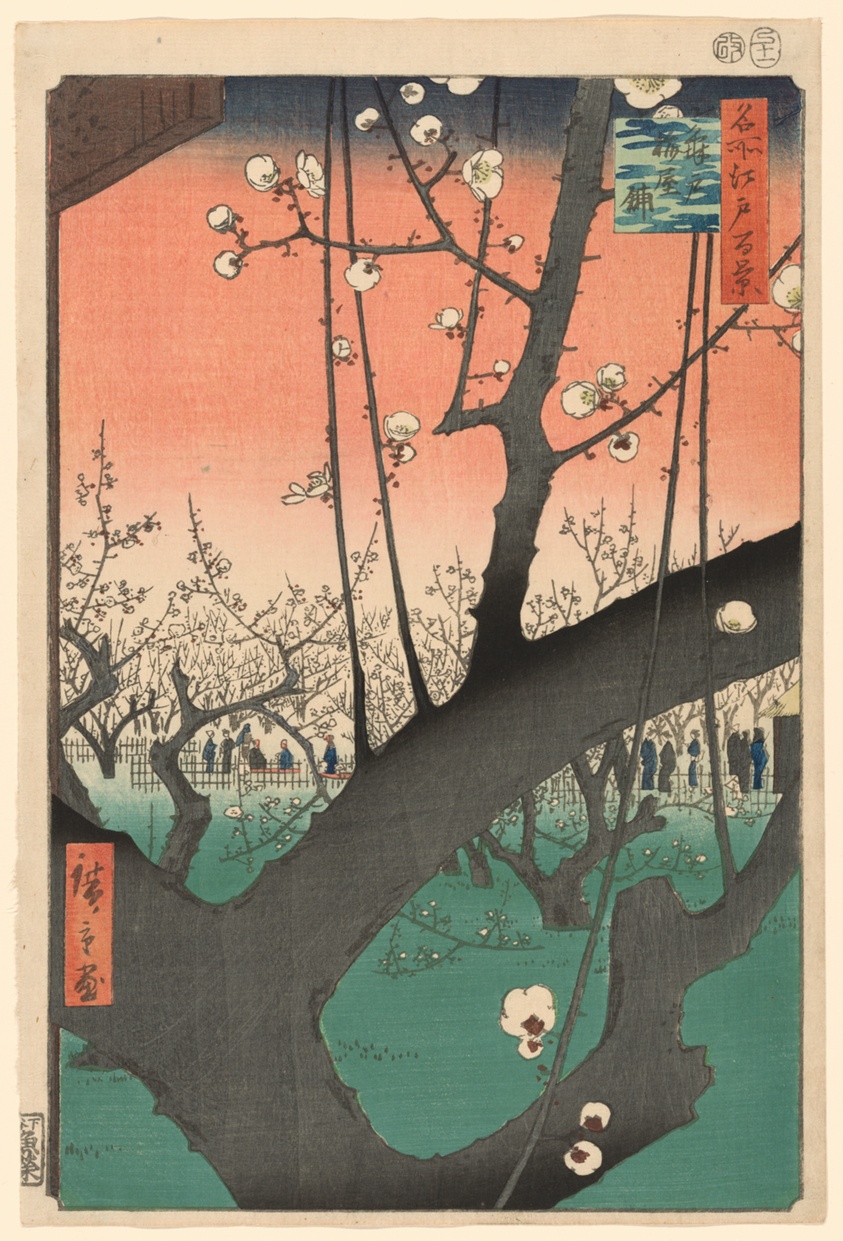
Plum Garden at Kameido
Utagawa Hiroshige · 1857
Museum record ↗What pulls your eye?
Follow a dark branch across the pale sky.
A branching plum tree fills the foreground of this color woodblock print.
The materialColor woodblock print; ōban
Three ways into wood.
Choose a work. Notice what changes.
Plum Garden at Kameido
Utagawa Hiroshige
Spend a moment ↗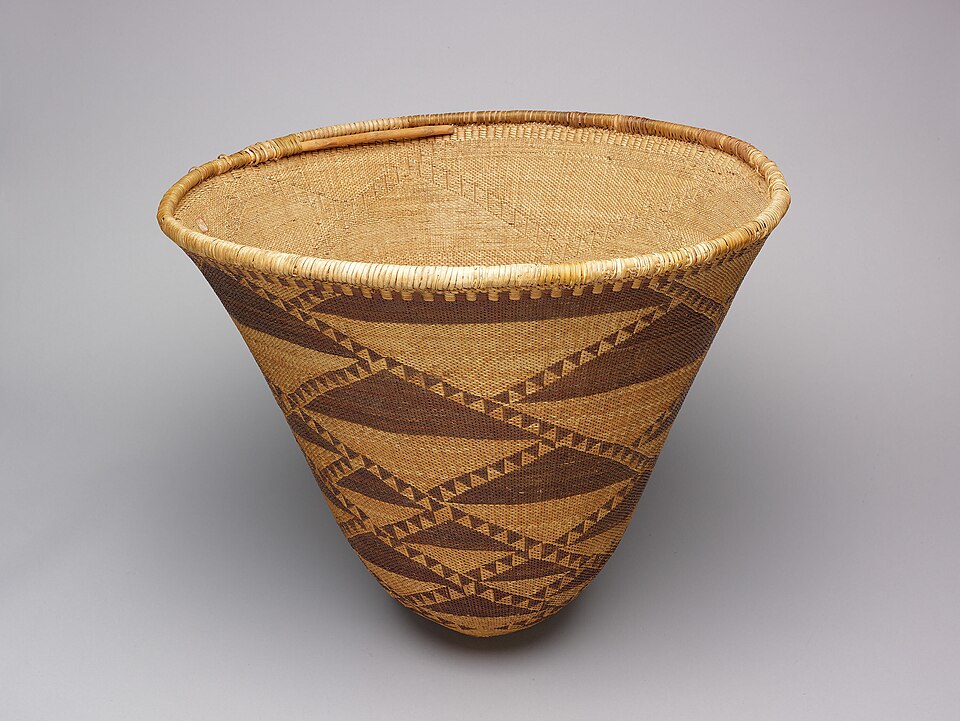
Burden Basket
Pomo · Northern California, United States
Spend a moment ↗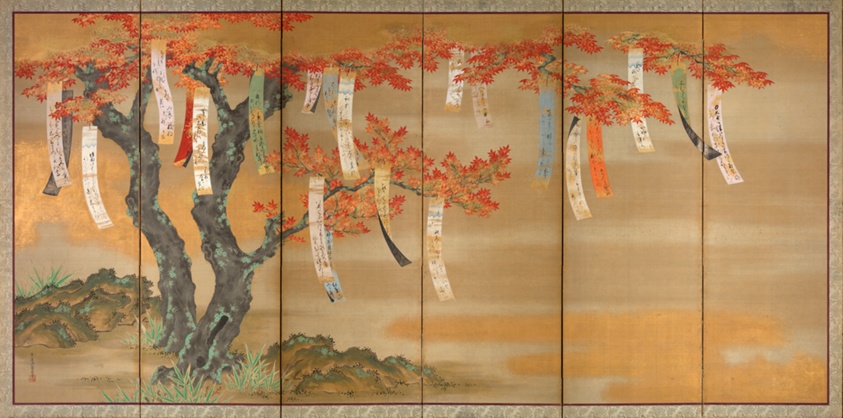
Autumn Maples with Poem Slips
Tosa Mitsuoki
Spend a moment ↗火 Fire / Glow · kindle · change
Where the light begins.
Some warmth is painted. Some belongs to the making. Move from a glowing ember to the heat that helps a vessel take its form.
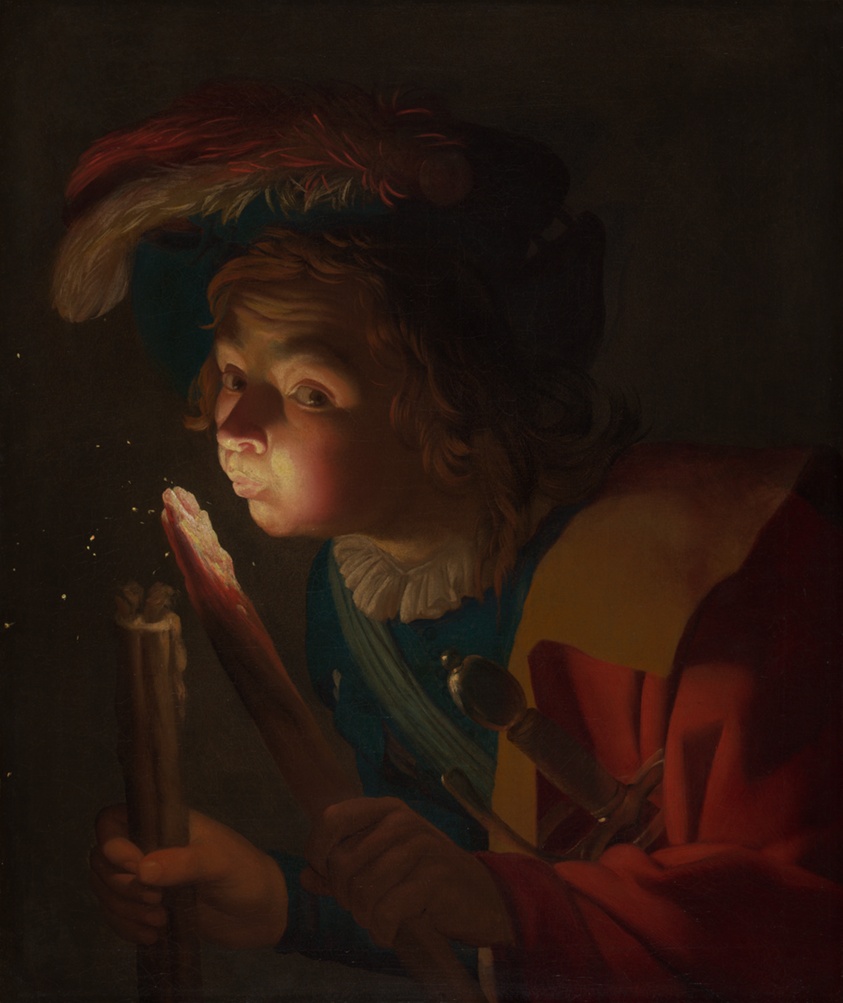
A Boy Blowing on a Firebrand
Gerrit van Honthorst · 1621–22
Museum record ↗What pulls your eye?
Find the tiny sparks beside the glowing wood.
A glowing ember lights the boy’s face: a small heat made visible in paint.
The materialOil on canvas
Three ways into fire.
Choose a work. Notice what changes.
A Boy Blowing on a Firebrand
Gerrit van Honthorst
Spend a moment ↗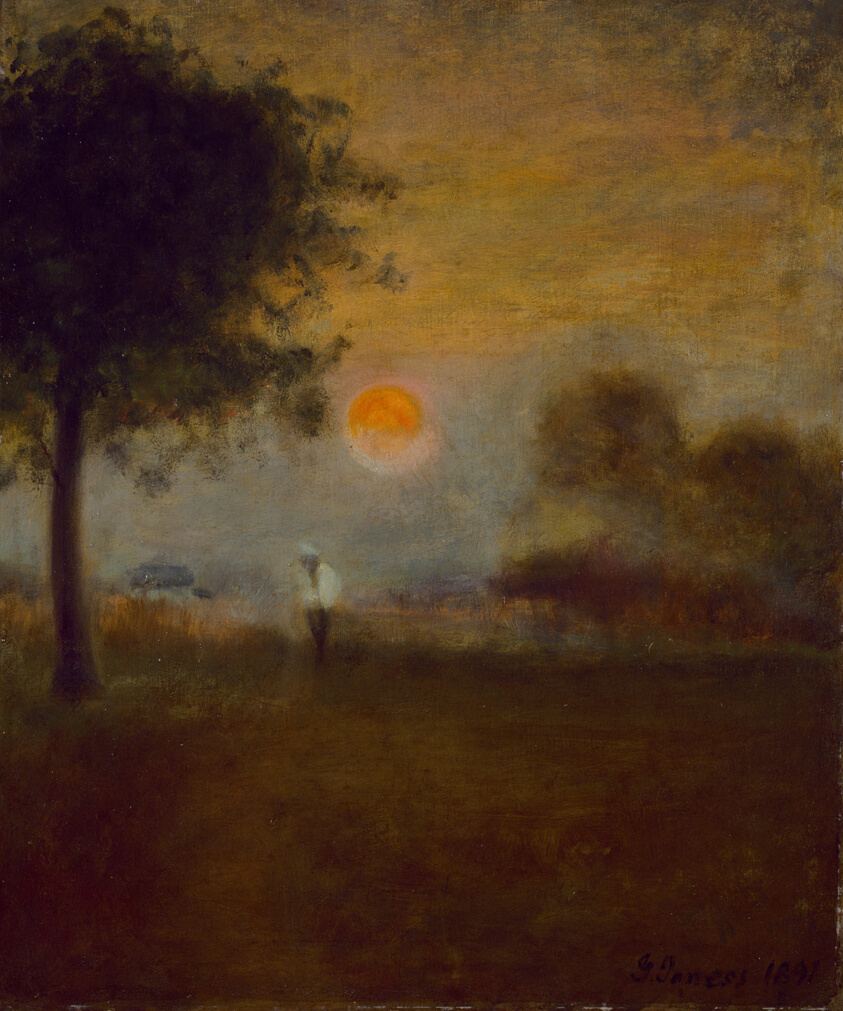
Moonrise
George Inness
Spend a moment ↗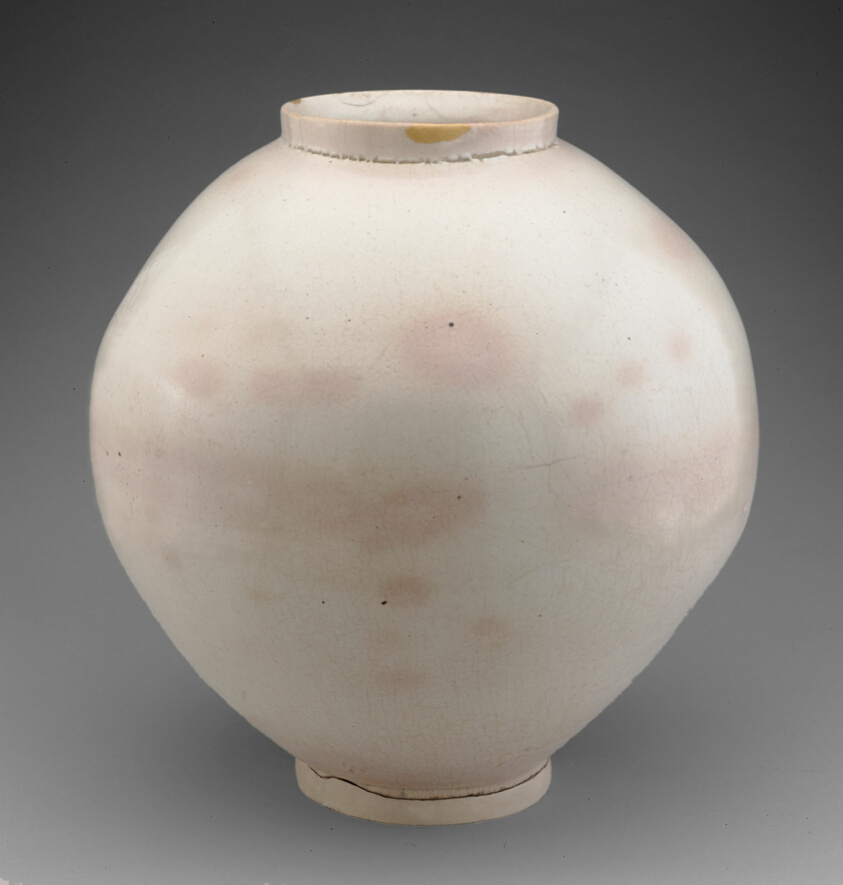
Moon Jar
Korea · Joseon dynasty
Spend a moment ↗土 Earth / Hold · shape · endure
Something to rest on.
A vessel, a table, a body carved from stone. Look for weight, texture and the places where a form seems to rest.
Moon Jar
Korea · Joseon dynasty · Joseon dynasty (1392–1897), late 17th– mid-18th century
Museum record ↗What pulls your eye?
Compare the two sides of the jar’s rounded outline.
A rounded porcelain body turns clay into a vessel, built by joining two halves.
The materialPorcelain with glaze
Three ways into earth.
Choose a work. Notice what changes.
Moon Jar
Korea · Joseon dynasty
Spend a moment ↗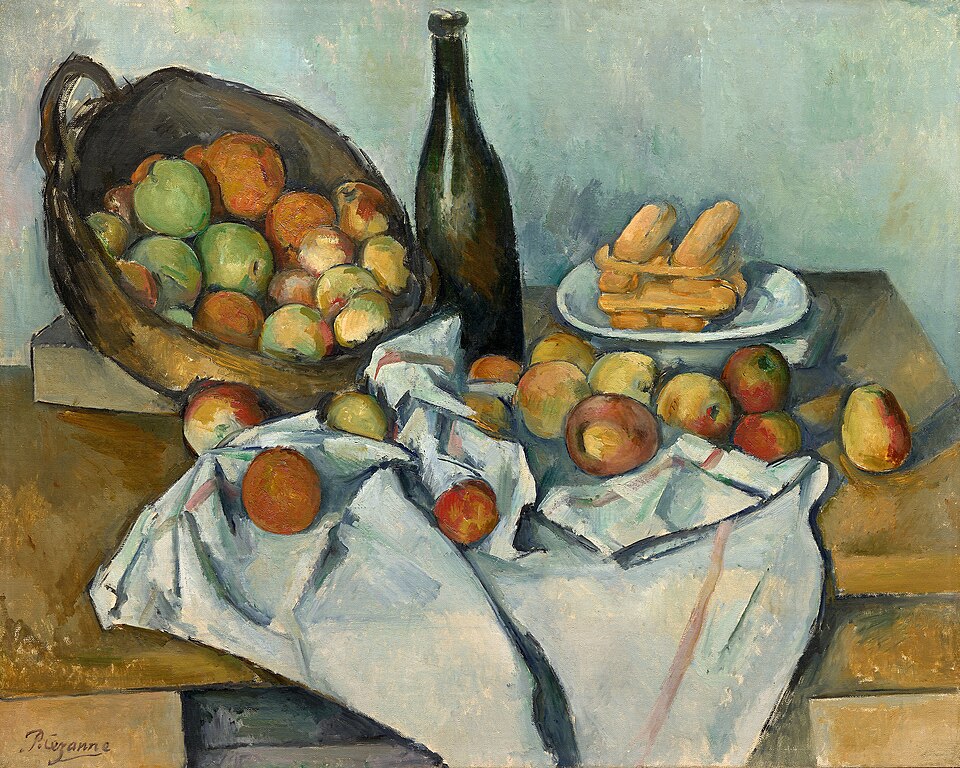
The Basket of Apples
Paul Cezanne
Spend a moment ↗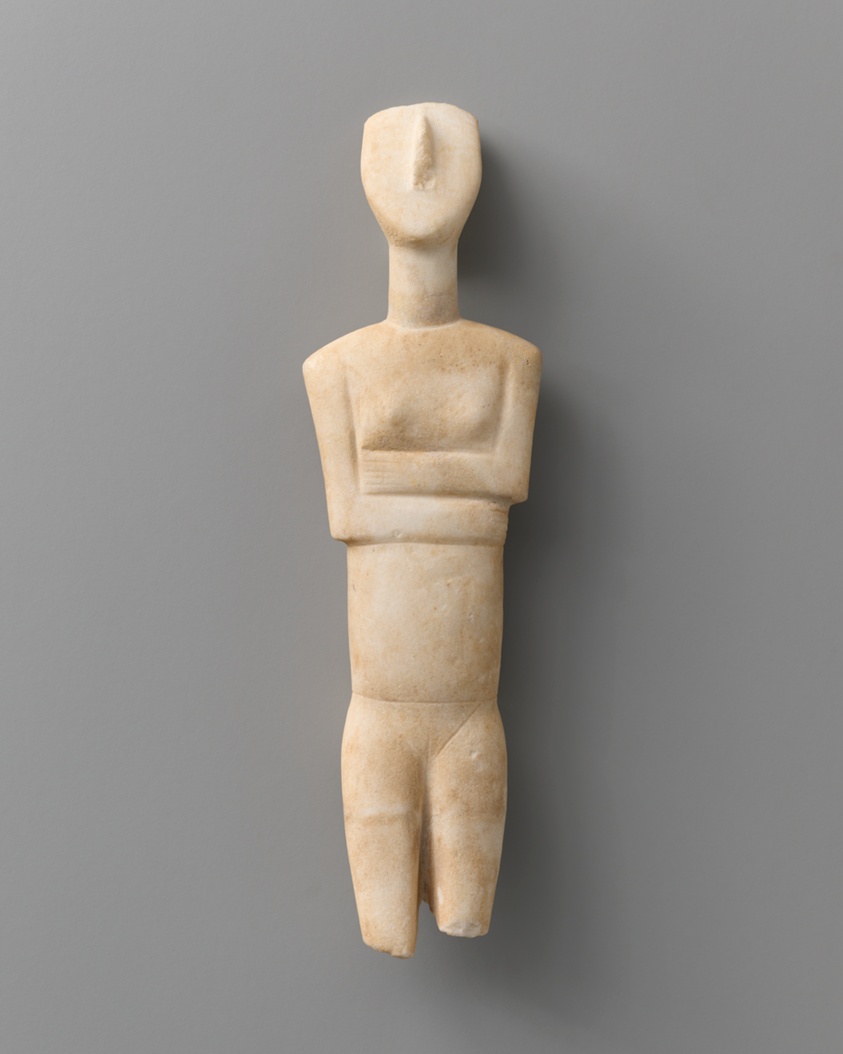
Statuette of a Female Figure
Cycladic; probably from the island of Keros
Spend a moment ↗金 Metal / Gleam · cast · reflect
The shape of a glint.
Bronze carries a dance; gold carries a garden. Follow how a surface holds light, then how a painter makes light appear on water.
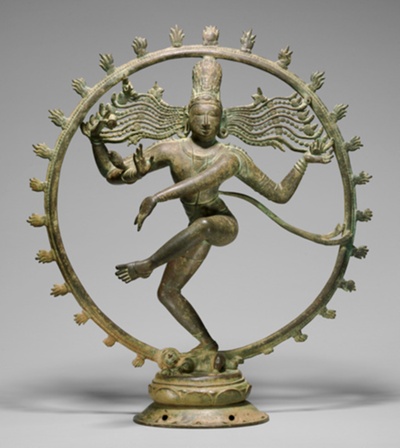
Shiva as Lord of the Dance (Nataraja)
India · Tamil Nadu · Chola period, about 10th/11th century
Museum record ↗What pulls your eye?
Follow the bronze circle around the dancing figure.
A bronze image from Tamil Nadu holds Shiva’s dance in a circle of metal.
The materialBronze
Three ways into metal.
Choose a work. Notice what changes.
Shiva as Lord of the Dance (Nataraja)
India · Tamil Nadu
Spend a moment ↗Autumn Maples with Poem Slips
Tosa Mitsuoki
Spend a moment ↗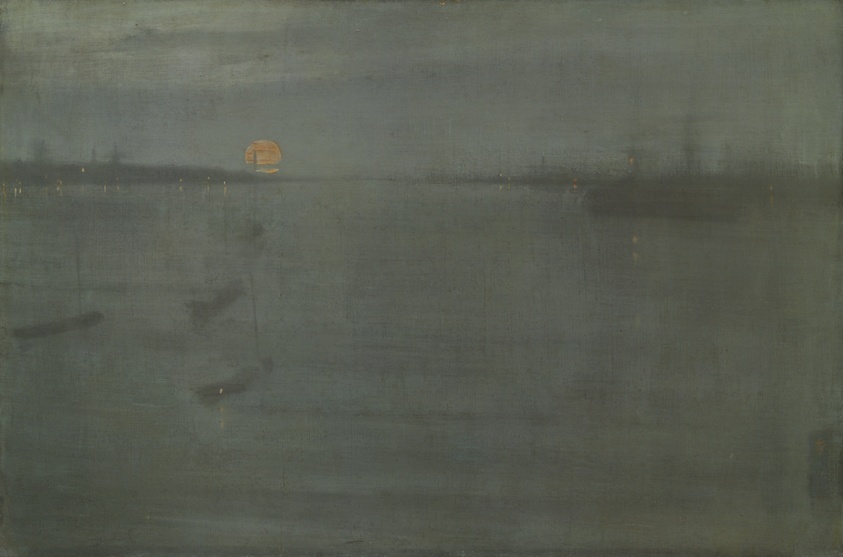
Nocturne: Blue and Gold—Southampton Water
James McNeill Whistler
Spend a moment ↗水 Water / Flow · ripple · return
Follow the current.
Water can hold a reflection or break into a wave. Drift between a pond, open sea and a quiet riverbank.
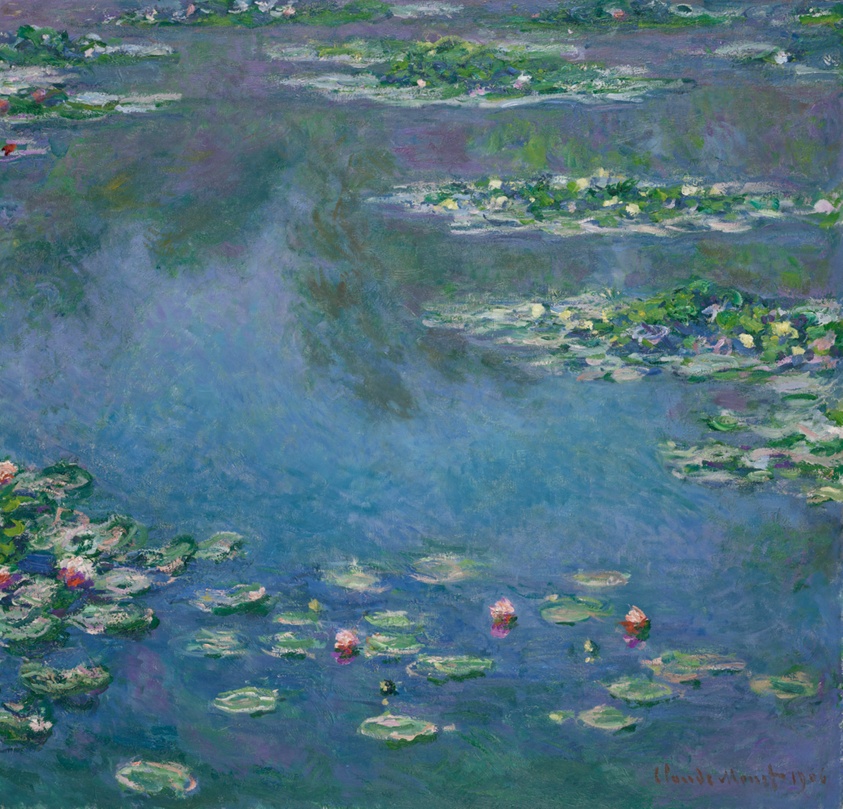
Water Lilies
Claude Monet · 1906
Museum record ↗What pulls your eye?
Choose one lily pad and follow its rounded edge.
Lily pads and reflections share a surface, making it hard to separate water from sky.
The materialOil on canvas
Three ways into water.
Choose a work. Notice what changes.
Water Lilies
Claude Monet
Spend a moment ↗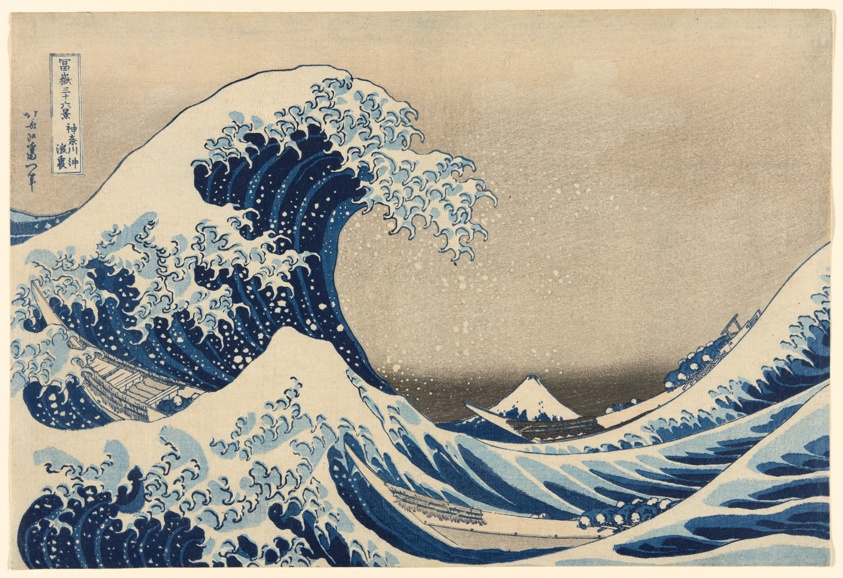
The Great Wave
Katsushika Hokusai · 1830/33
Spend a moment ↗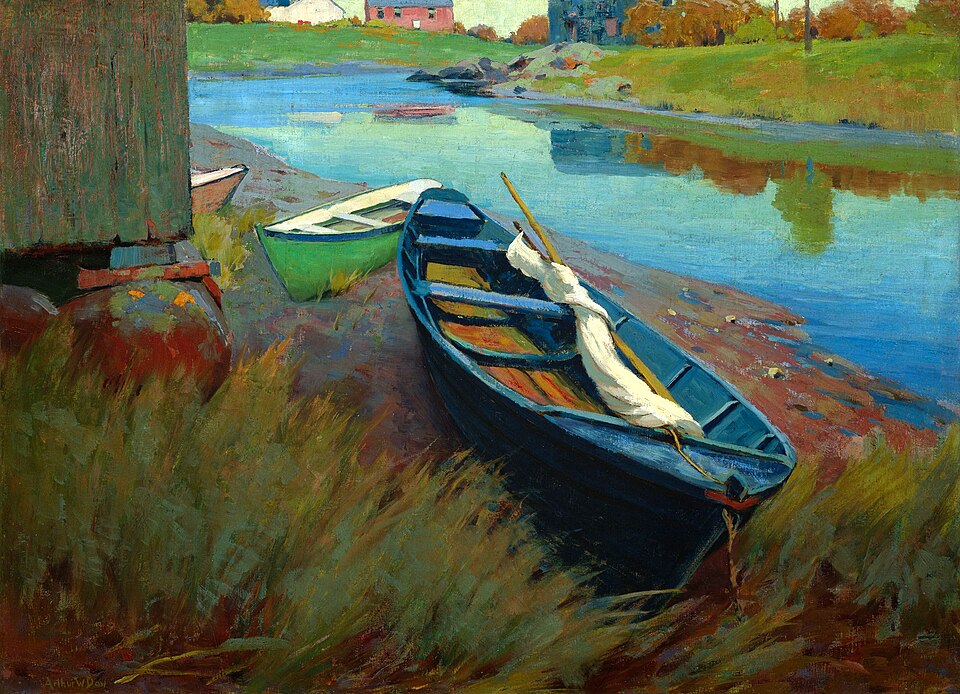
Boats at Rest
Arthur Wesley Dow
Spend a moment ↗One work, more than one way in
A circle of changes.
A moon jar can speak of earth when you follow its rounded form, and fire when you imagine its making. A golden screen can lead you through branches or through light. Try meeting the same work from another side.
This gallery takes inspiration from 五行 (wǔxíng), the five phases of Chinese thought: wood, fire, earth, metal and water. The tradition attends to change and relationships; our rooms follow its generating cycle.
The connections between these artworks are Artbitrage’s invitations to look. Each work keeps its own history, materials and museum record.
A note on 五行 and these pairings +
“Five phases” is one translation of 五行. Wood, fire, earth, metal and water are understood through their interactions. Here they offer a route across artworks made in different places and traditions.
Our pairings do not claim that the artists used this framework. A painted reflection belongs here through what we see; a bronze sculpture also belongs through what it is made from.
Internet Encyclopedia of Philosophy · Wuxing ↗A pattern can lead somewhere unexpected. Follow the Pomo basket into a notebook of working hands, painted edges and quiet rooms.
What caught my eye · open the notebook ↗